
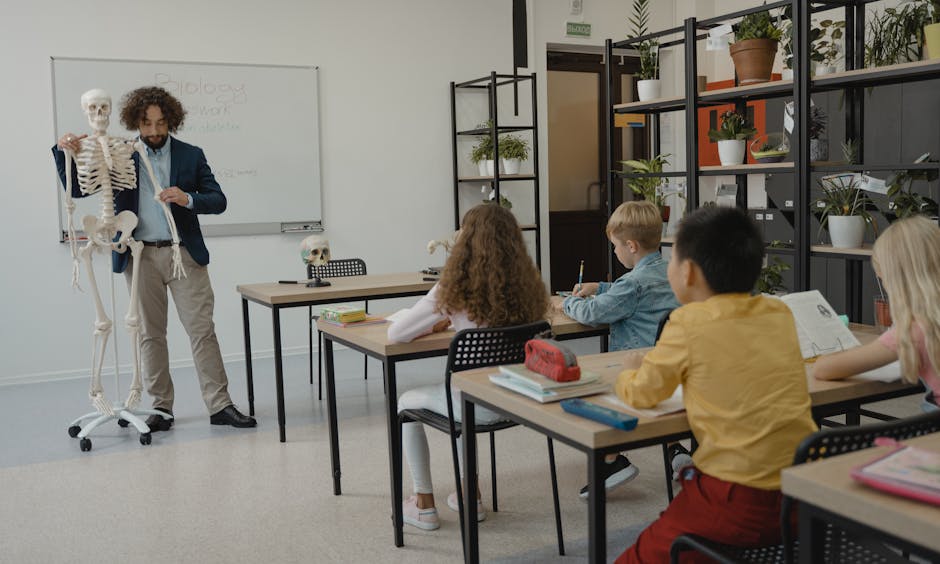
Education is the cornerstone of personal and societal development. It shapes our understanding, molds our values, and equips us with the skills necessary to navigate the complexities of modern life. In today’s fast-paced world, the role of education extends far beyond traditional classrooms, influencing every aspect of our lives. This article delves into the multifaceted nature of education, exploring its importance, challenges, and the innovations that are reshaping learning.
The Importance of Education
Education serves as a vital tool for empowerment. It opens doors to opportunities, enhances employability, and fosters critical thinking. According to UNESCO, every additional year of schooling can increase a person’s income by up to 10%. This statistic underscores the economic value of education, highlighting its significance in reducing poverty and promoting social mobility.
Moreover, education fosters informed citizenship. A well-educated populace is essential for the functioning of democracy, as it encourages civic engagement and the ability to make informed decisions. For instance, studies show that individuals with higher education levels are more likely to vote and participate in community activities, thereby strengthening democratic processes.
In addition, education promotes social cohesion. It bridges cultural and social divides, fostering understanding and tolerance among diverse groups. By providing a platform for dialogue and collaboration, education helps in building more inclusive societies.
Challenges in the Education Sector
Despite its importance, the education sector faces numerous challenges. One major issue is accessibility. Many individuals, especially in developing countries, still lack access to quality education. According to the World Bank, over 260 million children are out of school globally, primarily due to economic barriers, geographical isolation, and conflict.
Furthermore, the quality of education remains a pressing concern. In many regions, particularly in low-income areas, schools are under-resourced and lack trained teachers. This results in a disparity in educational outcomes, where students from disadvantaged backgrounds are often left behind.
In addition to accessibility and quality, the rapid pace of technological change poses a challenge for educational institutions. Schools must adapt their curricula to prepare students for a workforce that increasingly relies on digital skills. This requires significant investment in technology and teacher training, which many institutions struggle to secure.
Innovations Reshaping Education
In response to these challenges, innovative approaches to education are emerging. Online learning platforms, for instance, are democratizing access to education by providing resources to students regardless of their location. Platforms like Coursera and Khan Academy offer a plethora of courses that cater to diverse interests and skill levels, making learning more accessible than ever.
Moreover, the integration of technology in the classroom is enhancing the learning experience. Tools such as interactive whiteboards, educational apps, and virtual reality are making lessons more engaging and effective. These technologies enable teachers to create dynamic learning environments that cater to various learning styles.
Furthermore, personalized learning is gaining traction, allowing students to learn at their own pace and according to their individual needs. This approach is particularly beneficial for students with learning disabilities, ensuring that education is inclusive and equitable.
The Role of Lifelong Learning
In today’s rapidly changing world, the concept of lifelong learning is becoming increasingly important. With the job market evolving continuously, individuals must adapt by acquiring new skills throughout their lives. This shift emphasizes the need for educational systems to promote continuous learning beyond traditional schooling.
Employers are also recognizing the value of lifelong learning. Companies are investing in training programs and encouraging employees to pursue further education, understanding that a skilled workforce is essential for competitiveness. This trend highlights the symbiotic relationship between education and economic growth.
Moreover, lifelong learning fosters personal development. It encourages individuals to pursue their interests, expand their horizons, and cultivate a growth mindset. Whether through formal education or self-directed learning, the pursuit of knowledge can lead to greater fulfillment and well-being.
Conclusion
Education is a powerful force that shapes individuals and societies. It provides the foundation for economic stability, civic engagement, and social cohesion. While challenges persist, innovations in education are paving the way for a more inclusive and effective learning experience. As we move forward, it is crucial to embrace the concept of lifelong learning, ensuring that education remains a dynamic and integral part of our lives. Only then can we fully harness the transformative power of education for a brighter future.
For those looking to enhance their educational journey, resources are available to assist in preparation. For example, if you’re interested in nursing, consider exploring an In person Nclex review in Houston to gain valuable insights and support.
About the Author