Education is the cornerstone of personal and societal development. As we navigate the complexities of the 21st century, traditional educational paradigms are being challenged by new methodologies that promote active learning, critical thinking, and collaboration. This article delves into the evolving landscape of education, highlighting innovative practices that are reshaping how knowledge is imparted and acquired.
The Shift from Traditional to Modern Education
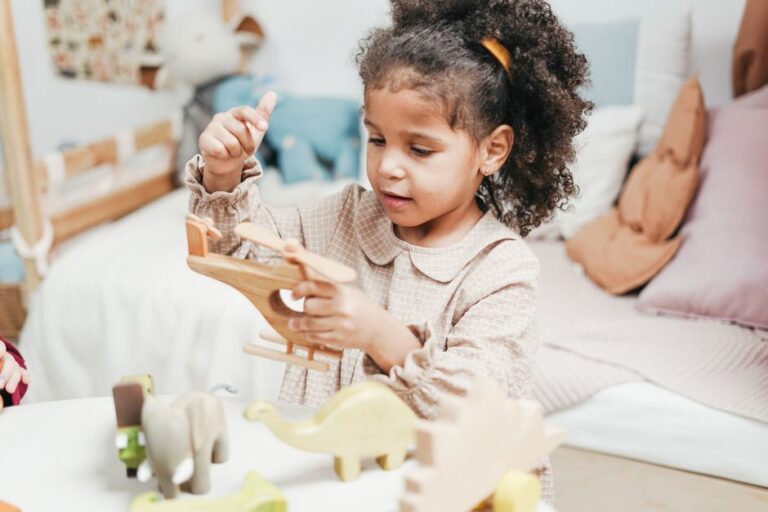
For decades, education systems worldwide have been rooted in traditional methods, characterized by rote memorization and passive learning. However, recent trends indicate a significant shift towards more modern approaches. Research shows that active learning techniques, such as group discussions and hands-on projects, enhance student engagement and retention rates. A study by the National Academy of Sciences found that students in active learning environments performed 6% better on exams compared to those in traditional classrooms.
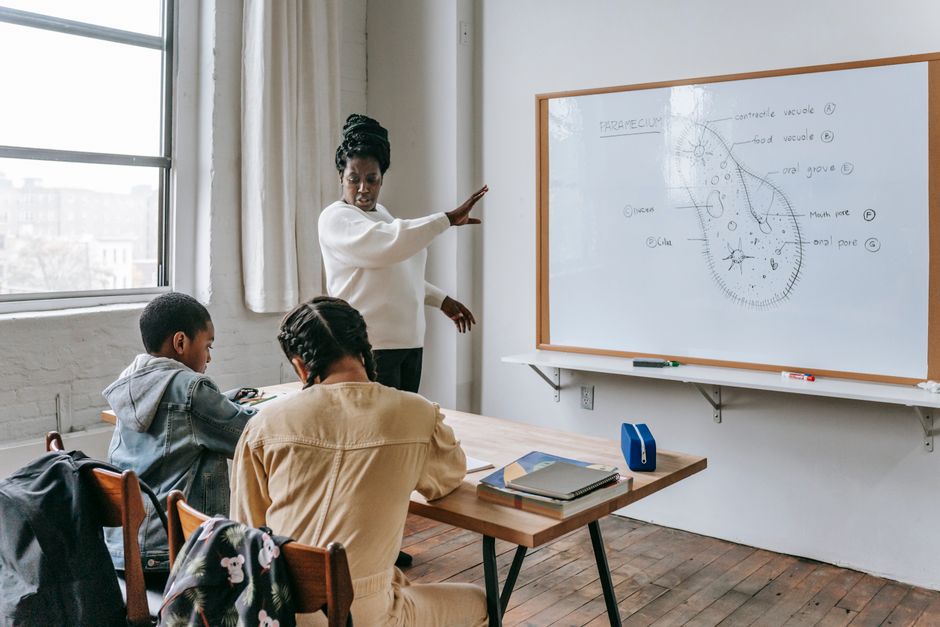
Moreover, the advent of technology has facilitated this transition. With tools like interactive whiteboards, online resources, and educational software, teachers can create dynamic learning environments that cater to diverse learning styles. This technological integration not only makes learning more accessible but also encourages students to take ownership of their education.
Personalized Learning: Tailoring Education to Individual Needs
One of the most significant advancements in education is the concept of personalized learning. This approach recognizes that each student has unique strengths, weaknesses, and interests. By leveraging data analytics and adaptive learning technologies, educators can tailor their teaching methods to meet individual needs. According to a report from the Bill & Melinda Gates Foundation, personalized learning can lead to substantial improvements in student outcomes, with many students achieving higher test scores and greater engagement.
For instance, platforms that utilize artificial intelligence can assess a student’s performance in real time, providing customized resources and activities that challenge them appropriately. This not only fosters a deeper understanding of the material but also cultivates a love for learning that extends beyond the classroom.
The Role of Collaboration in Learning
Collaboration is another essential element of modern education. Group projects and peer-to-peer learning not only enhance understanding but also develop critical interpersonal skills. In collaborative environments, students learn to communicate effectively, resolve conflicts, and work towards common goals. A report by the Partnership for 21st Century Skills emphasizes that collaboration is crucial for success in the workforce, where teamwork is often a key component of job roles.
Furthermore, collaboration extends beyond the classroom. Educational institutions are increasingly partnering with businesses and organizations to provide students with real-world experiences. Internships, mentorship programs, and community service projects allow students to apply their knowledge in tangible ways, bridging the gap between education and employment.
Embracing a Global Perspective in Education
As globalization continues to shape our world, education must also adapt to prepare students for an interconnected future. Incorporating global perspectives into the curriculum fosters cultural awareness and empathy. Programs that encourage international exchanges or virtual collaborations with students from different countries can enrich learning experiences and broaden horizons.
In addition, educational content that addresses global challenges—such as climate change, social justice, and economic inequality—can empower students to become informed global citizens. By understanding these issues, students can develop the critical thinking skills necessary to navigate and contribute positively to an increasingly complex world.
Conclusion: The Future of Education
The future of education lies in its ability to innovate and adapt. As we embrace new methodologies that prioritize student engagement, personalized learning, collaboration, and global awareness, we can create educational environments that truly inspire and empower learners. The integration of technology and modern pedagogical practices will continue to play a pivotal role in this transformation.
In conclusion, as we reflect on the changing landscape of education, it is crucial to recognize the importance of a holistic approach that values every student’s potential. By fostering an inclusive and dynamic learning environment, we can ensure that education remains a powerful tool for personal growth and societal advancement. As we move forward, let us also remember that education is not just about acquiring knowledge; it is about nurturing curiosity and cultivating a lifelong love for learning. For further insights into educational advancements, consider exploring resources like toto togel.
About the Author