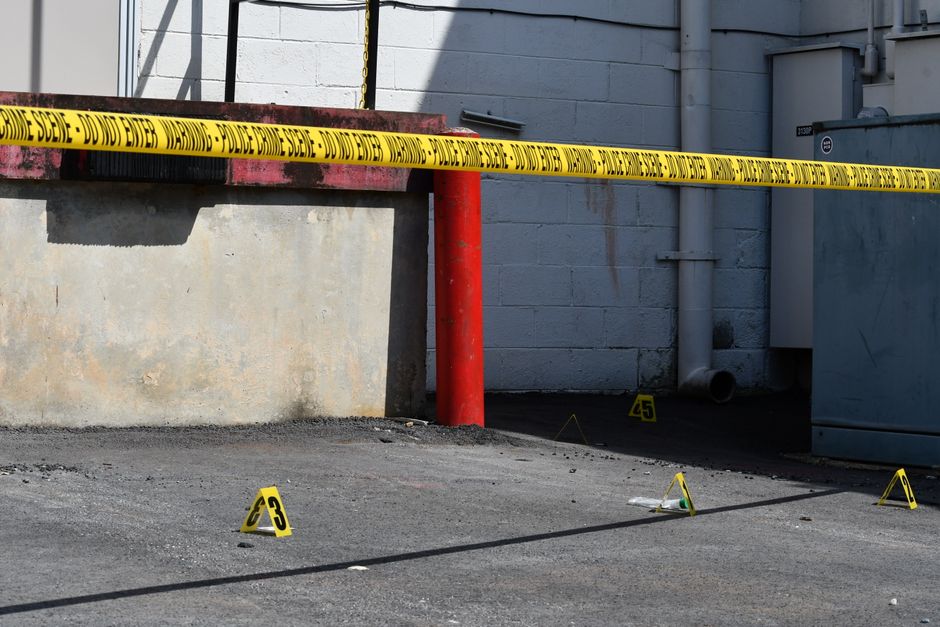
The aftermath of a crime scene can be a chaotic and distressing environment. It is crucial to address not only the emotional toll it takes on the victims and their families but also the physical hazards present in such areas. Crime scene cleanup is a specialized field that requires a comprehensive understanding of safety protocols, proper cleaning techniques, and emotional sensitivity. This article explores the various facets of crime scene cleanup, including its importance, methods, and the professionals who undertake this essential task.
The Importance of Crime Scene Cleanup
Crime scene cleanup is more than just a cleaning process; it is a necessary service that ensures the area is safe and habitable again. After a violent crime, the presence of biohazards such as blood and bodily fluids can pose significant health risks. These substances can harbor pathogens that may lead to diseases, which is why it is essential to engage professionals trained in handling such materials.
Moreover, crime scenes are often places of significant emotional trauma. The cleanup process can help restore a sense of normalcy for the victims’ families and those impacted by the situation. By removing evidence of the crime and sanitizing the area, cleanup professionals play a crucial role in the healing process. Families can focus on their recovery rather than the grim realities left behind.
Methods Used in Crime Scene Cleanup
Professionals in crime scene cleanup employ various methods to ensure thorough cleaning and sanitization. Initially, they assess the scene to identify the extent of contamination. This assessment guides the selection of appropriate cleaning agents and techniques. Common cleaning methods include:
- Disinfection: Using specialized products to eliminate pathogens.
- Biohazard Waste Disposal: Properly removing and disposing of biohazardous materials in compliance with local regulations.
- Deodorization: Employing techniques to eliminate odors caused by decomposing organic matter.
Each of these methods requires specific training and equipment, underscoring the importance of hiring certified professionals for crime scene cleanup. The use of personal protective equipment (PPE) is also critical to protect workers from potential exposure to harmful substances.
Challenges in Crime Scene Cleanup
Crime scene cleanup professionals face various challenges that can complicate their work. One of the primary difficulties is the emotional impact of the scenes they encounter. Cleanup crews often work in environments where violent crimes have occurred, and they must navigate the psychological weight that accompanies such work.
Additionally, time is often of the essence. Crime scene investigations can take days or longer, delaying the cleanup process. This can lead to further degradation of the site, making the cleanup more difficult and potentially increasing health risks. Effective communication with law enforcement and families is essential to manage expectations and timelines.
Choosing a Crime Scene Cleanup Service
When selecting a crime scene cleanup service, it is vital to consider several factors. First, ensure that the company is licensed and certified in biohazard cleanup. This certification guarantees that they adhere to safety standards and regulations.
Moreover, look for a service that offers 24/7 availability. Emergencies can occur at any time, and a quick response can significantly impact the effectiveness of the cleanup. Reading reviews and asking for references can also help gauge the reliability and professionalism of the service.
Lastly, consider the emotional support that the company provides. The nature of crime scene cleanup often involves interacting with grieving families, and a compassionate approach can make a substantial difference in the overall experience.
The Future of Crime Scene Cleanup
As society evolves, so does the field of crime scene cleanup. Increased awareness of the importance of such services has led to a rise in demand for trained professionals. Moreover, advancements in cleaning technology and techniques continue to improve the efficiency and effectiveness of cleanup operations.
Networking with law enforcement and community organizations can further enhance the visibility and reach of these services. The future may also see greater integration of mental health support for cleanup crews, acknowledging the psychological toll of their work.
In conclusion, crime scene cleanup is a vital service that addresses both health and emotional needs following a traumatic event. It requires specialized training, sensitivity, and a commitment to safety. For those seeking more information on this critical field, resources on crime scene cleanup are available to provide further insights.
About the Author