
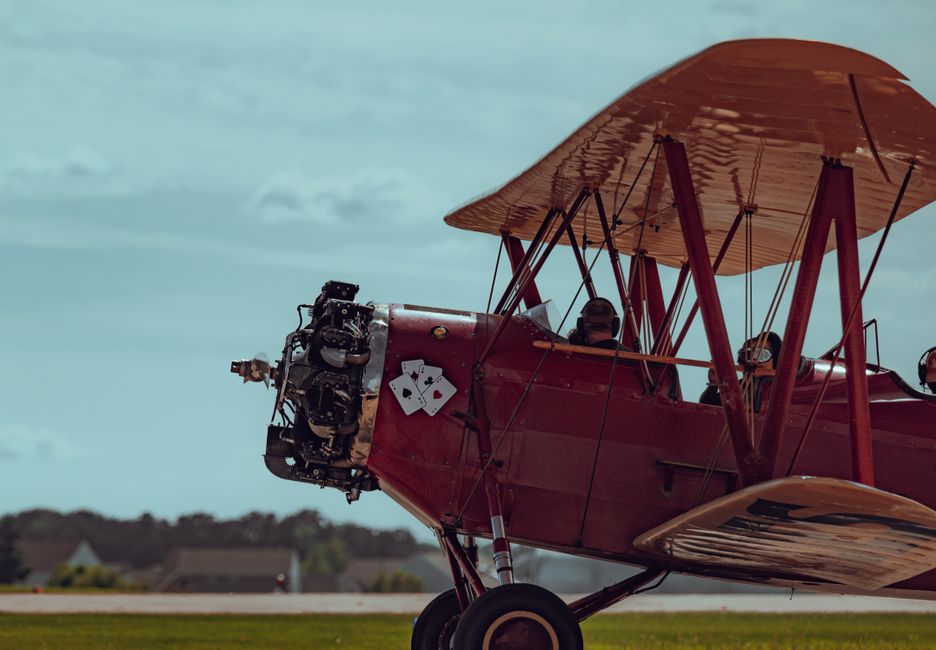
Aviation insurance is a critical aspect of the aviation industry that often goes unnoticed by the general public. With the rise in air travel and the increasing number of private and commercial aircraft, the demand for comprehensive insurance coverage has never been greater. This article delves into the various facets of aviation insurance, its significance, and the factors that influence its cost and coverage.
What is Aviation Insurance?
Aviation insurance is a specialized form of insurance designed to cover the risks associated with flying. This includes coverage for aircraft damage, liability for bodily injury, and property damage caused by an aircraft. There are several types of aviation insurance, including hull insurance, liability insurance, and passenger insurance, each tailored to meet the specific needs of aircraft owners and operators.
Hull insurance protects the physical structure of the aircraft from damages caused by accidents, weather conditions, and other unforeseen events. Liability insurance, on the other hand, covers legal liabilities that may arise from accidents that cause injury or property damage to third parties. Passenger insurance provides coverage for injuries sustained by passengers during a flight.
The Importance of Aviation Insurance
The significance of aviation insurance cannot be overstated. In an industry that involves high-value assets and potential risks, having adequate insurance coverage is essential for protecting investments and ensuring peace of mind. For aircraft owners, the cost of repairing or replacing an aircraft after an accident can be astronomical. Without insurance, these costs can lead to financial ruin.
Moreover, aviation insurance is often a requirement for operating an aircraft legally. Many regulatory bodies and financial institutions mandate proof of insurance before allowing aircraft to be registered or financed. This ensures that operators are financially responsible and can cover potential liabilities.
Factors Influencing Aviation Insurance Costs
Several factors influence the cost of aviation insurance, including the type of aircraft, its usage, the pilot’s experience, and the geographical area of operation. For instance, larger and more complex aircraft typically require higher premiums due to the increased risk associated with their operation.
The experience level of the pilot also plays a crucial role in determining insurance rates. Pilots with extensive flying hours and a clean safety record may qualify for lower premiums, while those with fewer hours or previous incidents may face higher costs. Additionally, the location where the aircraft operates can impact insurance rates; areas with higher accident rates or adverse weather conditions may attract higher premiums.
Examples of Aviation Insurance in Action
One notable example of aviation insurance in action occurred in 2018 when a private jet crashed during takeoff. The incident resulted in significant damage to the aircraft and injuries to several passengers. Fortunately, the aircraft owner had comprehensive aviation insurance, which covered the repair costs and medical expenses. This case highlights the critical role of aviation insurance in mitigating financial losses and ensuring that parties affected by accidents receive necessary support.
Another example involves airlines that face liability claims from passengers. In 2020, a commercial airline was sued for damages after a flight experienced severe turbulence, leading to injuries among passengers. The airline’s liability insurance covered the legal costs and settlements, demonstrating the importance of having robust insurance coverage for commercial operators.
Choosing the Right Aviation Insurance Policy
When selecting an aviation insurance policy, it is essential to evaluate the specific needs and risks associated with the aircraft. Consulting with an experienced aviation insurance broker can help navigate the complexities of different policies and find the best coverage options.
It is crucial to consider the coverage limits, exclusions, and deductibles when choosing a policy. Additionally, reviewing the insurer’s reputation and claims handling process can provide insight into their reliability and customer service. By taking the time to research and compare options, aircraft owners can make informed decisions that protect their investments and ensure compliance with legal requirements.
Conclusion
In conclusion, aviation insurance is a vital component of the aviation industry that safeguards aircraft owners and operators from potential financial losses. Understanding the various types of coverage, the factors that influence costs, and the importance of having adequate insurance is essential for anyone involved in aviation. Whether you are a private pilot or a commercial airline operator, investing in the right aviation insurance can provide peace of mind and financial protection in an unpredictable industry. For more information on comprehensive coverage options, consider exploring aviation insurance solutions that suit your needs.
About the Author