
In the intricate world of supply chain management, distributors play a crucial role in ensuring that products move efficiently from manufacturers to retailers and ultimately to consumers. Understanding the functions and importance of distributors can enhance business strategies and improve operational efficiencies.
What is a Distributor?
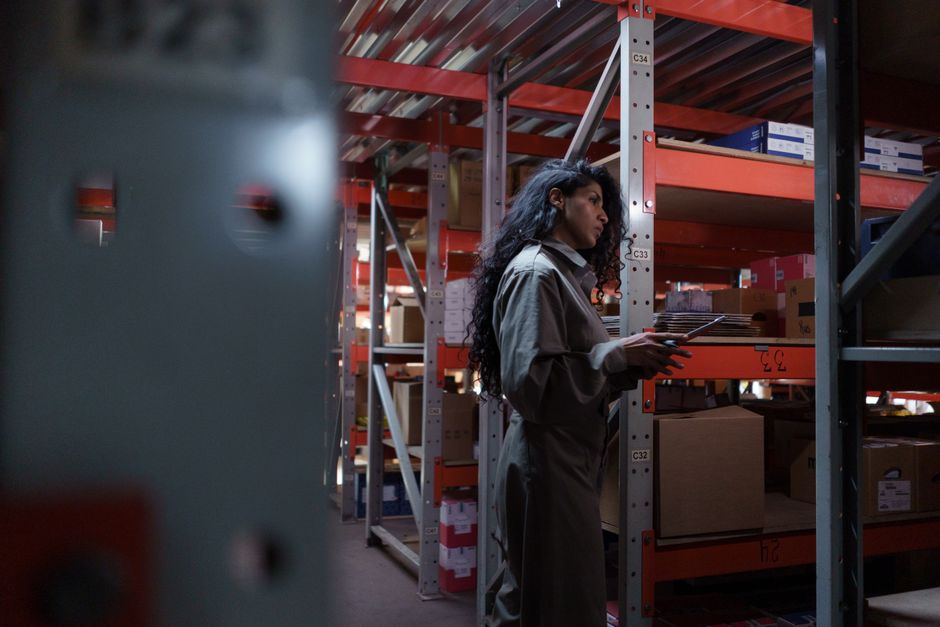
A distributor is an intermediary entity that buys products from manufacturers and sells them to retailers or directly to consumers. They serve as a vital link in the supply chain, facilitating the flow of goods and ensuring that products are available where and when they are needed. Distributors often take on additional responsibilities such as marketing, warehousing, and transportation, which can significantly reduce the burden on manufacturers.
For example, a beverage distributor may purchase large quantities of soda from a manufacturer and sell it to various retail outlets. This allows the manufacturer to focus on production while the distributor handles logistics and customer relationships.
The Importance of Distributors in Supply Chain
Distributors provide several benefits within the supply chain. Firstly, they help in inventory management. By maintaining stock levels and managing storage facilities, distributors can mitigate the risks associated with overstocking or stockouts. This ability to manage inventory effectively helps in maintaining a steady flow of products to retailers, thus improving availability for consumers.
Secondly, distributors often have established relationships with retailers, which can enhance market penetration for manufacturers. They understand the local market dynamics and consumer preferences, enabling them to tailor their sales strategies accordingly. This localized knowledge is invaluable for manufacturers looking to expand their reach.
Types of Distributors
There are several types of distributors, each serving different functions within the supply chain. Wholesale distributors purchase goods in bulk directly from manufacturers and sell them to retailers. They typically operate on a large scale and may distribute a wide variety of products.
On the other hand, value-added distributors offer additional services such as product assembly, packaging, or technical support. These distributors not only sell products but also enhance their value, making them more appealing to retailers and end-users.
Challenges Faced by Distributors
Despite their essential role, distributors face numerous challenges in today’s dynamic market environment. One significant challenge is the rise of direct-to-consumer (DTC) sales models, which allow manufacturers to bypass traditional distribution channels. This shift can threaten the traditional distributor model, pushing many to adapt by offering unique services or focusing on niche markets.
Additionally, fluctuations in demand, supply chain disruptions, and changes in consumer behavior can create further challenges. Distributors must remain agile and responsive to these changes to maintain their competitive edge.
Future Trends in Distribution
Looking ahead, technology is expected to revolutionize the distribution landscape. The integration of automation and artificial intelligence can optimize inventory management and improve order fulfillment processes. For instance, automated warehouses can enhance efficiency and reduce operational costs.
Furthermore, the rise of e-commerce is reshaping traditional distribution strategies. Distributors must adapt to these changes by leveraging online platforms and enhancing their digital presence. As consumer preferences shift towards online shopping, distributors can capitalize on this trend by offering seamless delivery options.
In conclusion, the role of distributors in the supply chain is pivotal for the smooth flow of goods from manufacturers to consumers. By understanding their functions, types, and the challenges they face, businesses can develop more effective strategies to leverage the strengths of distributors in their operations. As the market continues to evolve, staying informed about industry trends and technological advancements will be key to success.
For instance, companies exploring innovative products might look into new options like dmso gel that can support various applications in both health and wellness sectors. Embracing such advancements can provide distributors with new opportunities and avenues for growth.
About the Author