Chemical peel treatments have become increasingly popular in the beauty and skincare industry, offering a range of solutions for various skin concerns. From acne scars to sun damage, these treatments promise to rejuvenate the skin and restore its natural glow. In this article, we will explore what chemical peels are, their types, benefits, potential side effects, and the factors to consider before undergoing a treatment.
Understanding Chemical Peels
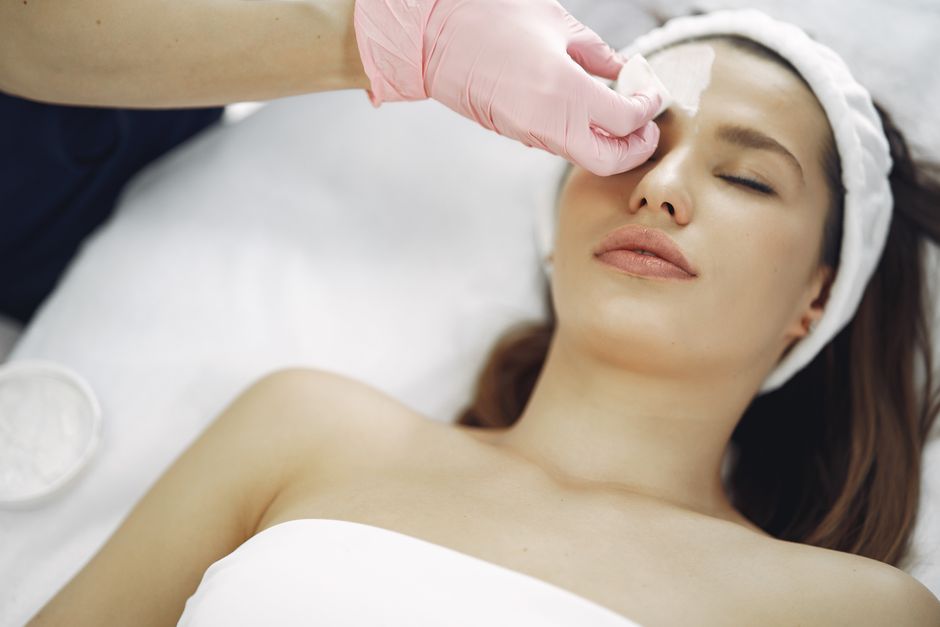
A chemical peel is a cosmetic procedure that involves applying a chemical solution to the skin, leading to exfoliation and subsequent peeling. This process helps to remove dead skin cells, improve skin texture, and promote the growth of new, healthier skin. Chemical peels can be tailored to individual skin types and concerns, making them a versatile option for many.
There are three primary types of chemical peels: superficial, medium, and deep peels. Superficial peels use mild acids to gently exfoliate the skin, addressing minor issues like uneven skin tone. Medium peels penetrate deeper into the skin, targeting more pronounced concerns such as fine lines and moderate sun damage. Deep peels, on the other hand, are reserved for severe skin issues and require a longer recovery period.
The Benefits of Chemical Peels
Chemical peels offer numerous benefits that can significantly enhance the appearance and health of the skin. One of the most notable advantages is their ability to improve skin texture and tone. Regular treatments can lead to smoother, more radiant skin, making them ideal for those with rough or uneven complexions.
Moreover, chemical peels can effectively reduce the appearance of scars and blemishes. For individuals struggling with acne scars, a series of chemical peel treatments can help diminish these marks over time. According to a study by the American Society of Plastic Surgeons, patients reported a 50-75% improvement in the appearance of their scars after several sessions.
In addition to aesthetic benefits, chemical peels can also stimulate collagen production, which is crucial for maintaining youthful skin. Increased collagen levels can lead to a plumper, firmer appearance, reducing the visibility of fine lines and wrinkles.
Potential Side Effects and Considerations
While chemical peels can be highly beneficial, they also come with potential side effects. Common side effects include redness, peeling, and dryness, which typically subside within a few days. However, deeper peels may result in more severe reactions, such as swelling or infection.
It is essential to consult with a qualified dermatologist before undergoing a chemical peel treatment to determine the most suitable type for your skin type and concerns. They can evaluate your skin and recommend a tailored approach, ensuring the best possible results.
Furthermore, individuals with certain skin conditions or sensitivities should exercise caution. For example, those with eczema or rosacea may experience adverse reactions to chemical peels and should consider alternative treatments.
Post-Treatment Care
Proper aftercare is crucial for achieving the best results from a chemical peel. After the treatment, patients are advised to avoid direct sunlight and wear sunscreen to protect the newly exposed skin. Additionally, it is essential to keep the skin moisturized and refrain from using harsh products for at least a week post-treatment.
Hydration is key in the recovery process, and many dermatologists recommend using gentle, hydrating products to soothe the skin. Patients should also avoid picking at peeling skin, as this can lead to scarring or infection.
Conclusion
Chemical peel treatments can be a powerful tool in achieving beautiful, healthy skin. With various types available, individuals can find a solution that suits their unique skin concerns. However, it is crucial to approach these treatments with care, ensuring proper consultation and aftercare. For those considering a chemical peel treatment, understanding the process and potential outcomes can lead to a more satisfying experience and radiant skin.
For more information about chemical peel treatment options and to find a qualified professional, it is advisable to do thorough research and consult with a dermatologist.
About the Author