In recent years, 3D printing has emerged as a revolutionary technology, transforming various industries from manufacturing to healthcare. As businesses and entrepreneurs seek innovative ways to enhance their production processes, 3D printing services have become a vital tool. This article delves into the world of 3D printing services, exploring their applications, benefits, and future prospects.
Understanding 3D Printing Technology
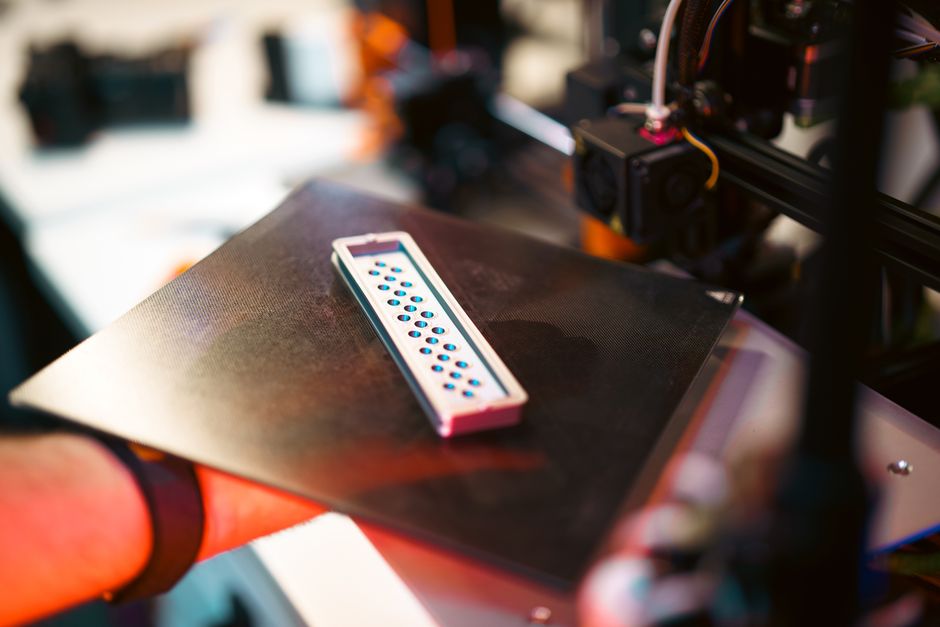
3D printing, also known as additive manufacturing, involves creating three-dimensional objects from digital files. The process typically starts with a 3D model, which is sliced into thin horizontal layers. A printer then deposits material layer by layer to build the final product. This technology allows for complex geometries and personalized designs that traditional manufacturing methods struggle to achieve.
Various materials can be used in 3D printing, including plastics, metals, ceramics, and even biological materials. This versatility makes 3D printing suitable for a wide range of applications, from prototyping to end-use products. Notably, the speed and efficiency of 3D printing can significantly reduce production times and costs.
Applications of 3D Printing Services
3D printing services are utilized across numerous sectors, including aerospace, automotive, healthcare, and consumer goods. In the aerospace industry, for instance, companies use 3D printing to produce lightweight components that enhance fuel efficiency. According to a report by Deloitte, the aerospace sector has seen a reduction of up to 90% in material waste when using 3D printing.
In healthcare, 3D printing has revolutionized the way medical devices and prosthetics are manufactured. Custom implants and prosthetics can be designed to fit individual patients perfectly, improving comfort and function. The global 3D printing in healthcare market is projected to reach $6.5 billion by 2025, showcasing its growing importance in the field.
Furthermore, the rise of on-demand manufacturing has led to an increase in the popularity of 3D printing services. Businesses can now produce parts as needed, reducing the need for large inventories and minimizing storage costs.
Benefits of Using 3D Printing Services
One of the most significant benefits of utilizing 3D printing services is the ability to create complex designs that are not possible with traditional manufacturing methods. This opens up new possibilities for innovation and product development. For example, intricate lattice structures can be printed to reduce weight while maintaining strength.
Moreover, 3D printing services enable rapid prototyping, allowing companies to test and iterate designs quickly. This agility in product development leads to faster time-to-market and can significantly enhance a company’s competitive edge.
Cost-effectiveness is another advantage of 3D printing. Although the initial investment in a 3D printer may be high, the overall cost of production can be reduced. By minimizing material waste and eliminating the need for expensive tooling, businesses can save money in the long run.
Challenges and Considerations
Despite its many advantages, there are challenges associated with 3D printing services. One primary concern is the speed of production. While 3D printing is efficient for small batches and prototypes, it may not yet be suitable for large-scale production runs.
Additionally, the quality and durability of printed products can vary depending on the material used and the printing process. Companies must carefully select the appropriate materials and technologies to meet their specific needs.
Intellectual property issues also pose challenges in the realm of 3D printing. As designs can be easily replicated, protecting proprietary information becomes increasingly important for businesses utilizing 3D printing services.
The Future of 3D Printing Services
The future of 3D printing services looks promising, with ongoing advancements in technology and materials. Innovations such as multi-material printing and enhanced printing speeds are expected to further expand the capabilities of 3D printing.
Moreover, the integration of artificial intelligence and machine learning into 3D printing processes can lead to improved efficiency and greater customization options. As these technologies continue to evolve, businesses will be better equipped to leverage the benefits of 3D printing.
As the demand for sustainable practices grows, 3D printing services can play a significant role in promoting eco-friendly manufacturing. By reducing waste and enabling localized production, 3D printing has the potential to contribute to a more sustainable future.
In conclusion, the rise of 3D printing service is reshaping industries and creating new opportunities for innovation. As technology advances, businesses that embrace 3D printing will be well-positioned to thrive in an increasingly competitive landscape.
About the Author