
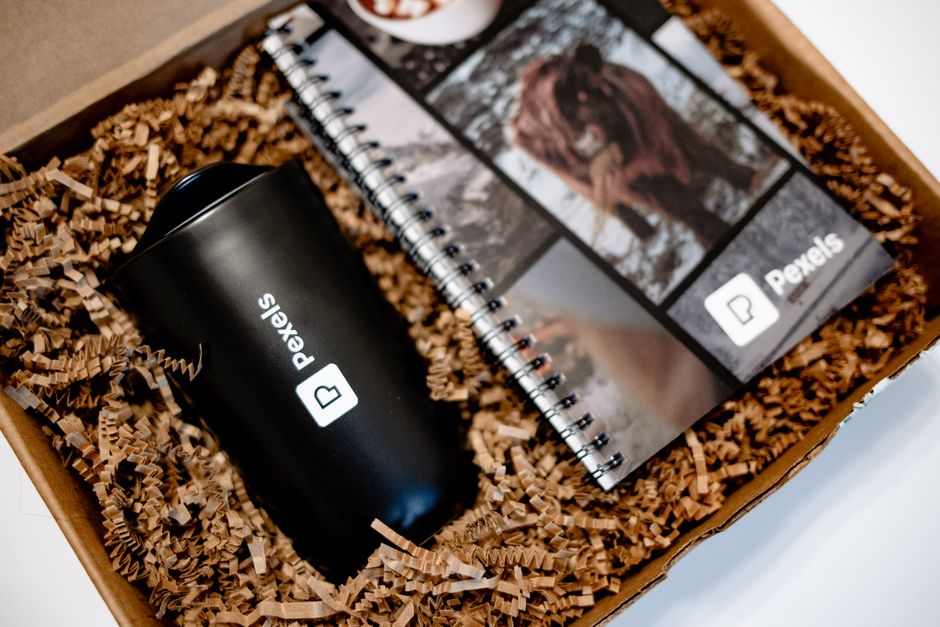
In today’s competitive marketplace, businesses are constantly seeking innovative ways to stand out and make lasting impressions on their target audiences. One of the most effective strategies is through the use of promotional products. These tangible items not only serve as constant reminders of your brand but also enhance customer loyalty and engagement. In this article, we will explore the significance of promotional products, how to choose the right supplier, and the potential return on investment (ROI) these products can offer.
The Importance of Promotional Products
Promotional products are more than just advertising tools; they are essential elements of any marketing strategy. According to a study by the Promotional Products Association International (PPAI), 79% of people can recall the branding on a promotional product they received in the past two years. This statistic highlights the effectiveness of these items as memorable marketing tools.
Moreover, promotional products can lead to increased customer retention. When customers receive a useful and high-quality item, they associate positive feelings with your brand. This emotional connection can significantly enhance their loyalty. For instance, a company that provides high-quality water bottles at a conference may find that attendees continue to use and showcase those bottles long after the event, keeping the brand in their daily lives.
Choosing the Right Promotional Products Supplier
Finding a reliable promotional products supplier is crucial to the success of your marketing efforts. A good supplier not only offers a wide range of products but also understands your branding needs and can provide creative solutions. Start by researching potential suppliers online and check reviews from previous clients.
Additionally, consider the supplier’s ability to customize products to fit your brand’s identity. Customization can involve adding your logo, choosing specific colors, and even selecting materials that reflect your brand values. For instance, eco-friendly products can appeal to environmentally conscious consumers, reinforcing your brand’s commitment to sustainability.
Types of Promotional Products
The variety of promotional products available is vast, ranging from everyday items to unique novelties. Common items include pens, mugs, tote bags, and t-shirts, which are often used because of their practicality. However, businesses should also consider unique items that resonate with their target audience.
For example, tech gadgets like USB drives or phone chargers are popular among younger demographics and can serve as excellent promotional tools. On the other hand, wellness products like fitness bands or organic snacks might appeal more to health-conscious consumers. Evaluating your audience’s preferences is key to selecting the right product.
Measuring the ROI of Promotional Products
Understanding the return on investment of promotional products can help justify marketing expenditures. According to the PPAI, promotional products have a lower cost per impression compared to other advertising mediums. For instance, the cost per impression for promotional products is around $0.004, while television advertising can range from $0.019 to $0.048 per impression.
Moreover, tracking the success of promotional campaigns through surveys or sales data can provide valuable insights. For example, if a company distributes promotional items at a trade show, they can follow up with attendees to assess how many engaged with the brand afterward. This data can inform future marketing strategies and product choices.
Conclusion
Promotional products offer a unique opportunity for businesses to enhance brand recognition, foster customer loyalty, and ultimately drive sales. By selecting the right supplier and choosing products that resonate with your target audience, you can maximize the effectiveness of your promotional campaigns. As the marketing landscape continues to evolve, incorporating promotional items into your strategy remains a timeless and effective method for reaching and engaging consumers.
About the Author