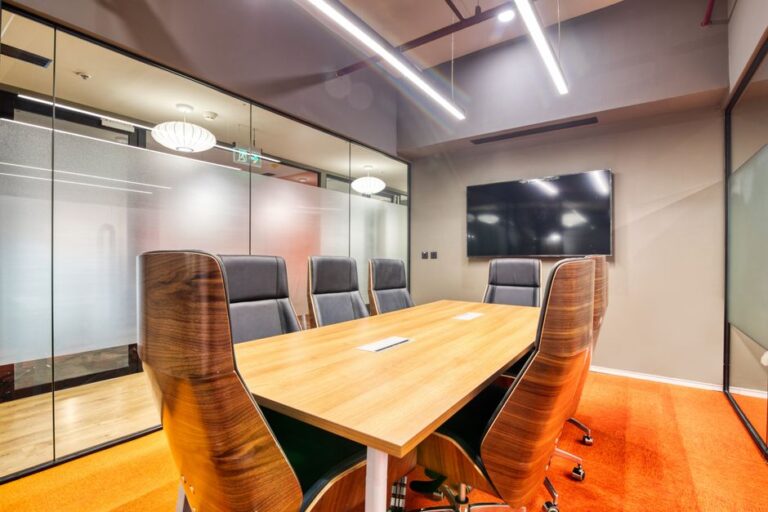
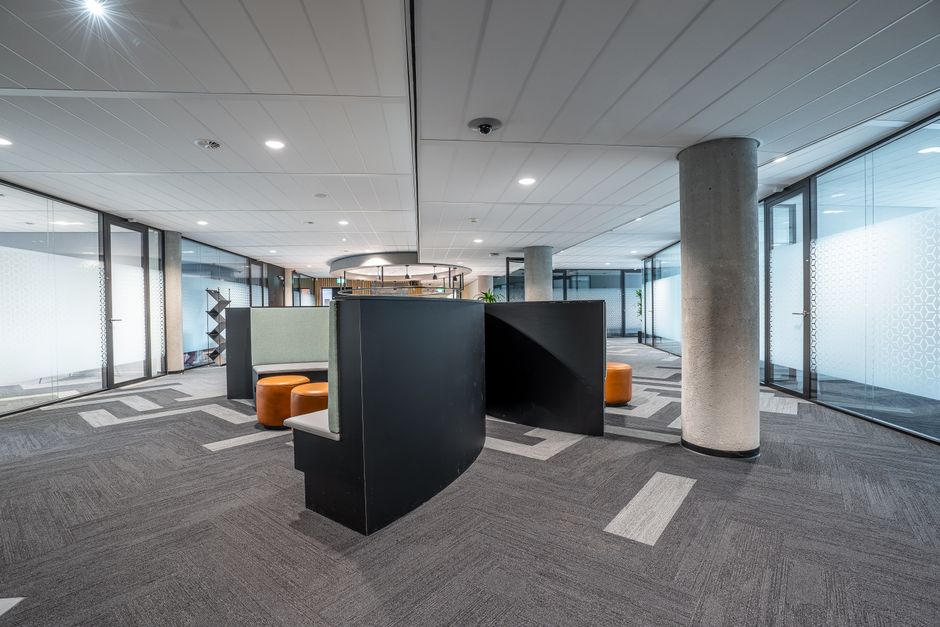
In today’s competitive market, the aesthetics and functionality of commercial spaces play a crucial role in attracting customers and enhancing employee productivity. The expertise of a commercial interior designer not only transforms the physical space but also aligns with the brand identity and operational needs of a business.
Understanding the Role of Commercial Interior Designers
Commercial interior designers are professionals who specialize in creating functional and aesthetically pleasing environments for businesses. Their work encompasses a range of spaces, including offices, retail stores, restaurants, and hotels. These designers bring together creativity, technical knowledge, and an understanding of human behavior to create spaces that meet specific business needs.
For instance, a well-designed office space can significantly improve employee morale and productivity. According to studies, employees are 20% more productive in well-designed work environments. This shows that investing in professional design services can yield substantial returns for businesses.
Moreover, commercial interior designers often collaborate with architects, engineers, and contractors to ensure that the design is not only beautiful but also functional and compliant with local regulations. This collaborative approach is vital in creating a cohesive and effective space.
Key Elements of Commercial Interior Design
The design process involves several key elements, including space planning, color selection, lighting design, and furniture selection. Space planning is critical as it determines how the layout of the space will function. A well-planned space enhances workflow and promotes collaboration among employees.
Color selection also plays a significant role in commercial interior design. Different colors evoke different emotions; for example, blue is often associated with calmness, while yellow can stimulate creativity. Therefore, understanding the psychology of color can help designers create an environment that aligns with the desired atmosphere of the business.
Lighting is another essential factor. Proper lighting not only enhances the aesthetic appeal of a space but also affects productivity and mood. Natural light is particularly valued in office settings, and incorporating windows or skylights can create a more inviting environment.
Trends in Commercial Interior Design
As businesses evolve, so do the trends in commercial interior design. Currently, there is a growing emphasis on sustainability and eco-friendly design. Many companies are seeking to reduce their environmental impact by using sustainable materials, energy-efficient lighting, and designs that promote recycling.
Another trend is the incorporation of technology into design. Smart offices equipped with the latest technology can improve efficiency and facilitate remote work. Features such as automated lighting and climate control can create a more comfortable and efficient work environment.
Moreover, biophilic design, which incorporates natural elements into the workspace, is gaining popularity. This design philosophy enhances employee well-being by bringing nature indoors, which has been shown to reduce stress and increase overall job satisfaction.
The Impact of Commercial Interior Design on Branding
Commercial interior design is not just about aesthetics; it also plays a vital role in branding. The design of a space can communicate a brand’s values and message to clients and customers. For example, a luxury brand may opt for high-end materials and sophisticated design elements to convey exclusivity and elegance.
Conversely, a startup focused on innovation may choose a more casual and creative workspace to inspire collaboration and out-of-the-box thinking. This alignment between design and brand identity is essential for attracting the right clientele and creating a memorable experience.
Furthermore, a well-designed commercial space can enhance customer experience. In retail environments, for example, the layout and design can guide customers through the store, encouraging them to explore products and ultimately make purchases.
Choosing the Right Commercial Interior Designer
When selecting a commercial interior designer, businesses should consider several factors. It’s essential to review their portfolio to ensure that their style aligns with the vision of the business. Additionally, understanding their design process and how they incorporate client feedback is crucial.
Effective communication is vital throughout the design process. A designer who actively listens and understands the needs of the business will be better positioned to create a space that meets those needs. It’s also beneficial to choose a designer who has experience working on similar projects, as this can lead to more successful outcomes.
Lastly, it is advisable to discuss budgets and timelines upfront. A clear understanding of the budget constraints and project deadlines can help avoid potential conflicts and ensure a smoother design process.
Conclusion
In conclusion, the role of a commercial interior designer goes far beyond mere decoration. They play a crucial part in shaping the environments where businesses operate, directly impacting employee productivity, customer experience, and brand identity. As trends continue to evolve, the importance of professional design services will only increase. Businesses looking to enhance their spaces should consider partnering with a skilled commercial interior designer to navigate the complexities of creating functional and beautiful environments.
About the Author