
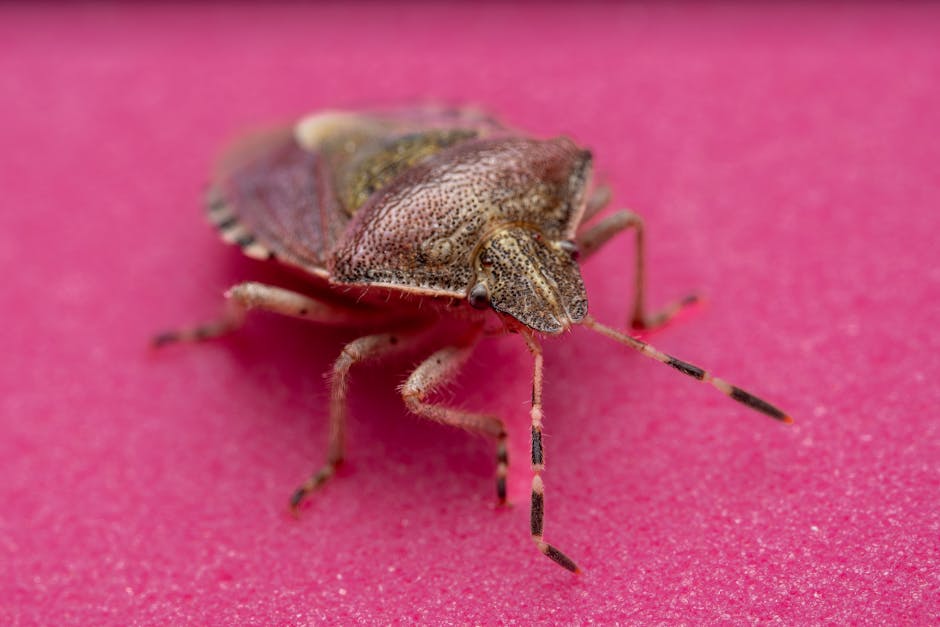
Bedbugs have become a pervasive issue in many households and businesses, causing distress and discomfort. These tiny, elusive pests are not only difficult to detect but also challenging to eliminate once they invade your space. Understanding the nature of bedbugs and employing effective extermination methods is crucial for restoring comfort and safety in your environment. This article explores comprehensive strategies for effectively dealing with bedbug infestations.
Understanding Bedbugs
Bedbugs, scientifically known as Cimex lectularius, are small, nocturnal insects that feed on the blood of humans and animals. They are typically brown in color, oval-shaped, and about the size of an apple seed. Their ability to hide in small crevices makes them particularly troublesome. Research indicates that bedbug populations have surged in recent years, with a 500% increase in reported infestations between 2000 and 2015 in the United States alone.
One of the reasons for the resurgence of bedbugs is increased global travel. These pests can hitch a ride on luggage, clothing, and used furniture, spreading quickly from one location to another. Furthermore, their resistance to many conventional pesticides complicates eradication efforts. This resistance has prompted the need for innovative extermination techniques.
Signs of Infestation
Identifying a bedbug infestation early can significantly increase the chances of successful extermination. Common signs include tiny red bites on the skin, which may appear in clusters or lines, particularly on exposed areas during sleep. Other indicators include dark spots on bedding and furniture, which are bedbug excrement, and the presence of shed skins or eggs in hidden areas.
Regular inspections of your home, especially in bedrooms and living areas, can help catch infestations before they escalate. Look in mattress seams, bed frames, and behind headboards. If you suspect an infestation, it is essential to act quickly to prevent the bedbugs from spreading further throughout your home.
Effective Extermination Methods
When it comes to bedbug extermination, a multi-faceted approach is often required. While DIY methods may offer some temporary relief, professional extermination services are usually the most effective solution. Professional pest control companies utilize a combination of heat treatments, insecticides, and vacuuming to eliminate bedbugs at all life stages.
One widely recognized method is heat treatment, where the affected area is heated to a temperature that is lethal to bedbugs, typically around 118°F (48°C). This method is effective because it eliminates not only the adult bugs but also their eggs. Additionally, for those looking for a more eco-friendly option, there are now organic insecticides available that can help in the extermination process.
For a more comprehensive solution, consider integrating a systematic approach that includes preventive measures. Sealing cracks and crevices, using bedbug-proof mattress encasements, and regular cleaning can significantly reduce the chances of reinfestation. For ongoing management, homeowners may also want to explore options like bed bug treatment through professional services.
Preventing Future Infestations
Once the bedbug infestation has been successfully eliminated, it is essential to take preventive steps to avoid future occurrences. Regular inspections, particularly after returning from travel, can help catch any new infestations early. Additionally, be cautious about bringing in second-hand furniture or clothing without proper inspection.
Establishing a routine cleaning schedule, including thorough vacuuming and laundering bed linens, can also deter bedbugs. Encourage family members and housemates to maintain cleanliness, as clutter provides hiding places for these pests.
Education is another crucial factor in preventing bedbug infestations. Understanding how bedbugs spread, their life cycle, and the signs of an infestation can empower individuals to take proactive measures. Workshops and informational resources can be beneficial in raising awareness within communities.
Conclusion
Bedbug extermination is a challenging yet manageable process with the right knowledge and resources. By understanding the nature of these pests, recognizing the signs of infestation, and employing effective extermination methods, individuals can reclaim their spaces from these unwelcome guests. Continuous education and preventive practices are essential in keeping homes and businesses bedbug-free. In the fight against bedbugs, being informed and proactive is the best defense.
About the Author