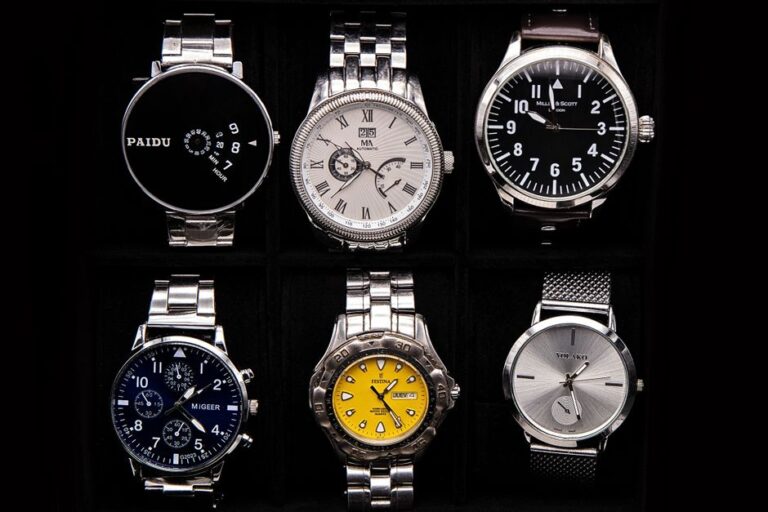
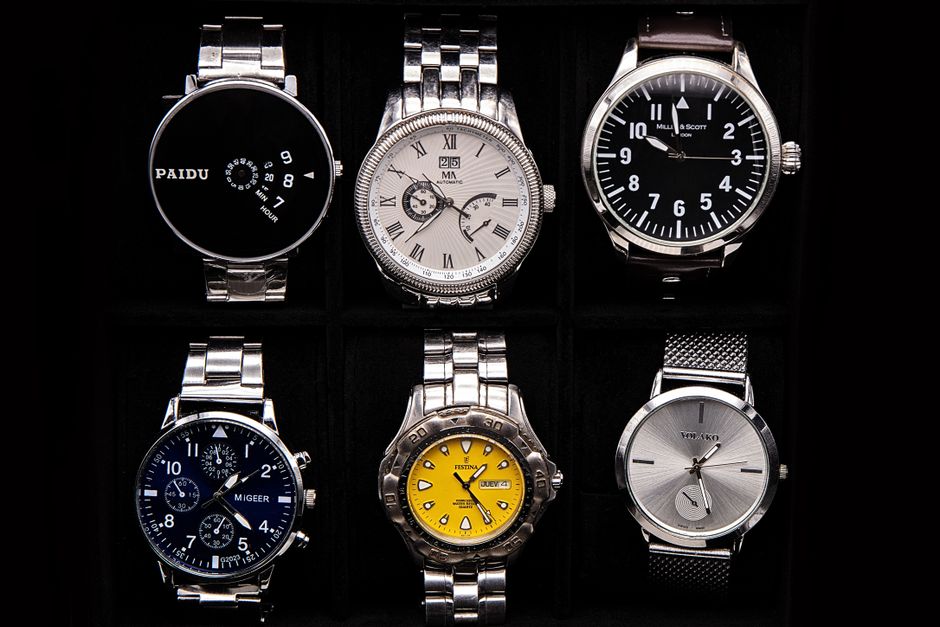
Wristwatches have transcended their original purpose of merely telling time to become symbols of style, craftsmanship, and technology. In today’s fast-paced world, they blend tradition with innovation, offering a glimpse into the past while embracing modern advancements. From luxury brands that command attention to smartwatches that cater to the tech-savvy, the wristwatch market is diverse and ever-evolving. This article delves into the fascinating world of wristwatches, exploring their history, significance, and the latest trends shaping the industry.
The History of Wristwatches
The concept of wearing a watch on the wrist dates back to the late 19th century, primarily for women. Initially, these timepieces were viewed as jewelry rather than functional devices. It wasn’t until the early 20th century that wristwatches gained popularity among men, notably during World War I when soldiers found them more practical than pocket watches.
By the 1920s, wristwatches became a fashion statement. Innovative designs, such as the introduction of the first waterproof watch in 1926 by Rolex, showcased the potential of wristwatches beyond mere timekeeping. This era marked the beginning of a revolution, where wristwatches evolved into essential accessories for both men and women.
As the decades progressed, wristwatches continued to adapt. The introduction of quartz technology in the 1970s led to the quartz crisis, challenging traditional mechanical watches. However, this crisis also paved the way for a new era of accuracy and affordability, which significantly broadened the market.
The Craftsmanship Behind Luxury Watches
Luxury wristwatches are often seen as a pinnacle of craftsmanship. Brands like Patek Philippe, Audemars Piguet, and Rolex are revered for their meticulous attention to detail and the artistry involved in creating each timepiece. For instance, a single Patek Philippe watch can take up to two years to produce, involving more than 200 different steps.
Many luxury watches feature complications—mechanical functions beyond simply telling the time. These can include perpetual calendars, moon phases, and tourbillons, showcasing the intricate engineering that goes into high-end timepieces. The materials used, such as gold, platinum, and sapphire crystal, further enhance their value and allure.
The importance of heritage and brand history cannot be overstated in the luxury segment. Collectors often seek out vintage models, which can appreciate significantly over time, making them not just a purchase but an investment.
The Rise of Smartwatches
In recent years, smartwatches have transformed the landscape of wristwatches. Combining traditional aesthetics with cutting-edge technology, they offer features like fitness tracking, notifications, and even mobile payments. Brands such as Apple and Samsung have dominated this market, appealing to a younger, tech-savvy audience.
The integration of health monitoring features, such as heart rate tracking and ECG functionality, has positioned smartwatches as essential tools for personal wellness. According to a report by Statista, the global smartwatch market is expected to reach over $96 billion by 2027, indicating a growing trend toward health-oriented technology.
Despite the popularity of smartwatches, traditional brands are adapting by incorporating smart technology into their designs. Hybrid watches, which combine analog faces with smartwatch features, are emerging as a popular option for those who appreciate classic designs but want modern functionality.
Collecting Wristwatches: A Growing Passion
Wristwatch collecting has become a global phenomenon, with enthusiasts investing in both modern releases and vintage pieces. The allure of collecting lies not only in the beauty of the watches themselves but also in the stories behind them. A collector may seek a specific model that represents a significant moment in history or a limited edition piece that embodies exceptional craftsmanship.
Online platforms and auction houses have made it easier for collectors to find and purchase coveted timepieces. Websites dedicated to watch sales and reviews, as well as forums for enthusiasts to share their knowledge, have proliferated, creating a vibrant community around this passion.
Moreover, the rise of replica watches, such as clone watches, has introduced a new layer of complexity to the collecting world. While some collectors appreciate the artistry of replicas, others argue that they undermine the authenticity and value of true luxury timepieces.
The Future of Wristwatches
The wristwatch industry faces challenges and opportunities as it evolves. With sustainability becoming a central concern for consumers, many brands are exploring eco-friendly materials and production methods. This shift not only reflects changing consumer values but also positions the industry for long-term viability.
Moreover, as technology continues to advance, the lines between traditional and smartwatches may blur further. Brands will likely continue to innovate, blending features and designs to meet diverse consumer preferences.
Ultimately, whether one prefers the elegance of a mechanical watch or the functionality of a smartwatch, wristwatches will continue to hold a significant place in our lives. They are more than just tools for telling time; they are expressions of identity, culture, and innovation.
Conclusion
The journey of wristwatches is a rich tapestry woven with history, art, and technology. From their origins as ornamental pieces to their current status as essential accessories, wristwatches reflect the evolving nature of society and our relationship with time. As we look to the future, the wristwatch will undoubtedly continue to adapt, ensuring its place on our wrists for generations to come.
About the Author