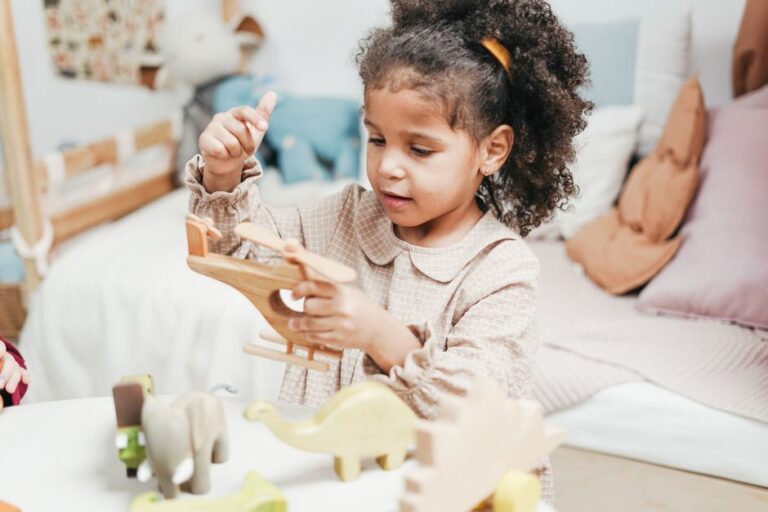

When it comes to designing a space for children, the right furniture plays a crucial role in creating an environment that is not only functional but also inspiring. Parents today seek furniture that grows with their child, offering durability and style, while children desire creativity and fun in their living spaces. In this article, we will explore the essential elements of a kids furniture store, from choosing the right materials to understanding current trends.
Understanding the Needs of Children
Children have unique needs that differ greatly from adults. Their furniture should cater to these needs, providing comfort and safety. For instance, ergonomic designs are becoming increasingly popular in kids’ furniture, ensuring that as children grow, their furniture can adapt to their changing bodies. Studies indicate that proper ergonomic support can improve posture and reduce discomfort, which is vital during their formative years.
Moreover, safety is paramount when selecting furniture for children. Parents often look for items that are free from sharp edges and made from non-toxic materials. This not only protects children from injuries but also ensures that the environment is healthy. A reputable kids furniture store often highlights these safety features prominently.
Trends in Kids Furniture Design
Just like adult furniture, kids furniture is influenced by design trends. Currently, there is a noticeable shift towards multifunctional pieces that can serve various purposes. For example, a bed that transforms into a play area or storage solutions that can double as seating are gaining popularity. These trends help maximize space in a child’s room, allowing for both play and rest.
Color is another significant factor in kids furniture design. Bright, vibrant colors stimulate creativity and playfulness, while softer pastels can create a calming atmosphere conducive to relaxation. Many parents are now opting for customizable options, allowing children to express their personalities through their furniture choices.
Choosing the Right Materials
The materials used in kids furniture are crucial for both durability and safety. Common materials include wood, which offers sturdiness and a timeless aesthetic, and metal, which can provide a modern touch. However, parents should be aware of the different finishes and coatings used on these materials to avoid harmful chemicals.
Eco-friendly options are also becoming more prevalent as parents seek sustainable choices. Furniture made from recycled materials or sustainably sourced wood not only supports the environment but also often comes with a unique story that resonates with families.
Online Shopping vs. In-Store Experience
The rise of e-commerce has changed the way parents shop for kids furniture. Online stores offer convenience and a wider selection, often at competitive prices. However, the tactile experience of shopping in-store cannot be underestimated. Being able to see and feel the furniture helps parents make informed decisions.
Many modern kids furniture stores are now offering hybrid models, where customers can browse online but pick up in-store or even have items delivered same day. This flexibility caters to the busy schedules of parents while providing the personal touch of traditional shopping.
Conclusion: The Future of Kids Furniture
The landscape of kids furniture is continuously evolving, with a clear focus on safety, functionality, and design. As parents become more discerning in their choices, the industry must adapt to meet these expectations. From ergonomic designs to eco-friendly materials, the future of kids furniture will likely prioritize not only the needs of children but also the values of today’s families. A well-curated kids furniture store can serve as a valuable resource for parents looking to create the ideal environment for their children.
About the Author