When it comes to furnishing a child’s room, parents face a unique set of challenges. They want a space that is not only functional but also fun and safe for their little ones. This is where the importance of a specialized kids furniture store comes into play. In this article, we will explore how to create the perfect shopping experience for parents and children alike, the types of furniture that are essential for children’s rooms, and ways to ensure that the furniture is both stylish and safe.
Understanding the Needs of Children
Children’s needs are vastly different from those of adults. They require furniture that is not only sized appropriately but also encourages creativity and independence. For instance, a small desk that allows them to draw or do homework can foster a sense of ownership and responsibility. Moreover, it’s essential to select furniture that can grow with them, such as adjustable chairs and desks.
It’s important to consider the emotional and developmental stages of children when selecting furniture. Bright colors and fun shapes can stimulate their imagination, while also being practical. Research shows that children perform better in environments where they feel comfortable and inspired. Hence, a well-thought-out furniture selection can significantly enhance their overall well-being.
Safety First: Choosing Safe Materials
Safety is a top priority when it comes to children’s furniture. Many parents are increasingly concerned about the materials used in furniture products. This is where a reputable kids furniture store plays a crucial role. They should offer products made from non-toxic materials, free from harmful chemicals and sharp edges.
For example, opting for furniture made from solid wood rather than particle board can provide durability and safety. Additionally, features like rounded edges and safety locks on drawers are essential for preventing accidents. Having a safety-first approach not only builds trust with parents but also enhances the store’s reputation.
Innovative Designs for Small Spaces
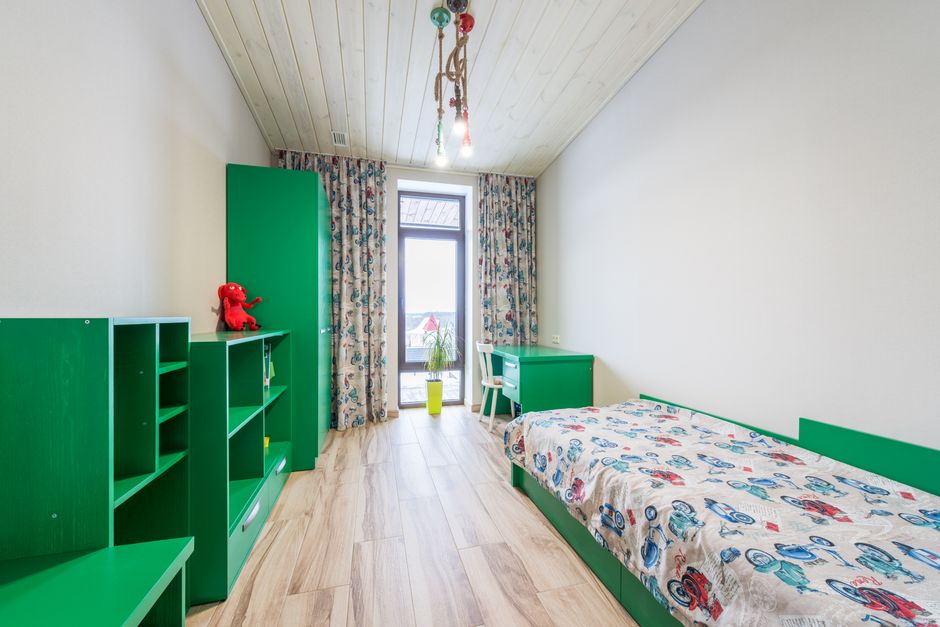
As urban living spaces become smaller, the demand for innovative furniture solutions is on the rise. Kids furniture stores can meet this need by offering multifunctional pieces that maximize space. For instance, beds with built-in storage or foldable desks can be a game changer in a child’s room.
Statistics indicate that approximately 30% of families live in homes with limited space, making it crucial for parents to invest in versatile furniture. Stores that showcase space-saving solutions can attract parents looking for functionality without sacrificing style. Moreover, using modular furniture can allow for easy reconfiguration as the child grows and their needs change.
Creating Interactive Shopping Experiences
The shopping experience in a kids furniture store should be engaging for both parents and children. Interactive displays, play areas, and workshops can transform a mundane shopping trip into an enjoyable adventure. For example, allowing children to test out furniture or participate in a decorating workshop can make the experience memorable.
Moreover, offering personalized shopping assistance can also enhance customer satisfaction. This could include design consultations or providing a virtual room planner to help parents visualize how different pieces will fit in their child’s room. By focusing on customer experience, stores can foster loyalty and repeat business.
Marketing Strategies for Kids Furniture Stores
In the competitive world of retail, effective marketing strategies are essential for success. Social media platforms are a powerful tool for kids furniture stores to reach their target audience. By showcasing stylish setups and promoting safe, innovative products, stores can create a strong online presence.
Additionally, leveraging customer testimonials and sharing user-generated content can build credibility and trust. Hosting events like family days or workshops can also attract more foot traffic to the store. Collaboration with parenting bloggers and influencers can further expand reach and visibility.
Ultimately, a well-executed marketing plan that highlights the unique offerings of a kids furniture store can lead to increased sales and brand loyalty.
Conclusion
Creating the perfect kids furniture store experience involves understanding the unique needs of children and their parents. By prioritizing safety, offering innovative designs, and creating interactive shopping environments, stores can stand out in a competitive market. With thoughtful marketing strategies and a focus on customer experience, kids furniture stores can thrive and build lasting relationships with families. For those looking to explore the world of children’s furniture, visiting a specialized kids furniture store can be an enlightening experience, providing endless possibilities for creating a child-friendly space.
About the Author