
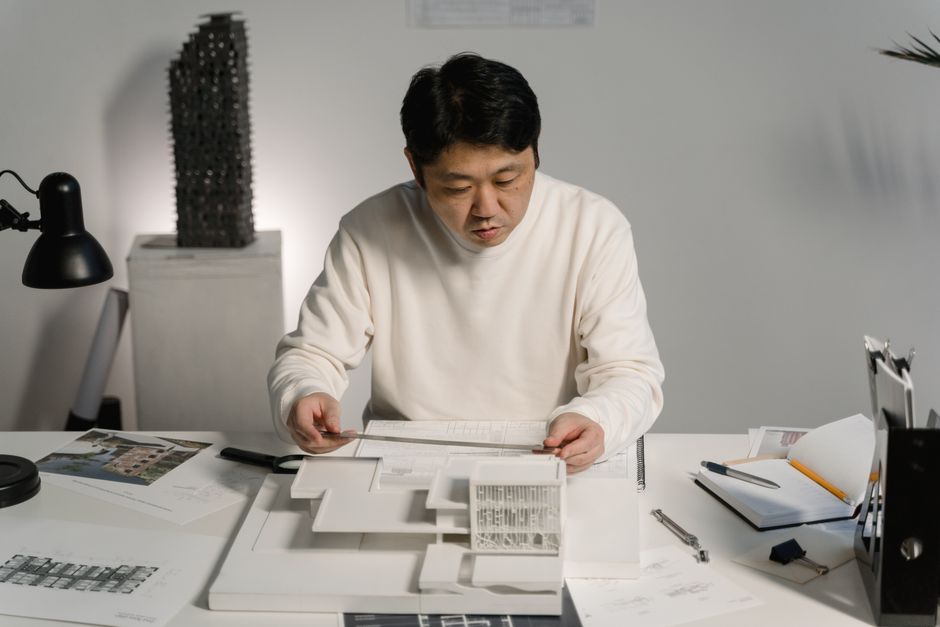
In the rapidly evolving world of architecture, architect firms play a pivotal role in shaping the environments we inhabit. As cities grow and change, the need for innovative design solutions becomes ever more pressing. This article explores the essential functions of architect firms, their impact on urban development, and the future of architectural design.
Understanding the Architect Firm’s Role
Architect firms are responsible for transforming ideas into tangible structures. They not only design buildings but also consider the surrounding environment, community needs, and sustainability. The process begins with a thorough understanding of the client’s vision and requirements, followed by extensive research and planning.
Moreover, architect firms must navigate complex regulations and zoning laws, ensuring compliance while maximizing design potential. This multifaceted role necessitates a diverse team of professionals, including architects, engineers, and project managers, all working collaboratively to bring a project to life.
For instance, a renowned architect firm in New York recently completed a mixed-use development that integrates residential, commercial, and public spaces, showcasing how thoughtful design can enhance community interaction.
Innovative Design Practices
Innovation is at the heart of what architect firms do. They continually seek new materials, technologies, and methodologies to improve efficiency and aesthetics. The emergence of green architecture has shifted focus towards sustainable practices, prompting firms to incorporate eco-friendly materials and energy-efficient designs into their projects.
For example, the use of 3D printing technology is revolutionizing the construction industry, allowing architects to create complex structures with precision. This technology not only reduces waste but also shortens construction times, making it a valuable tool for modern architect firms.
Additionally, virtual reality (VR) and augmented reality (AR) are becoming integral in the design process. By using these technologies, architects can create immersive experiences for clients, allowing them to visualize projects before construction begins. This not only enhances client satisfaction but also minimizes costly changes during the building phase.
The Importance of Collaboration
Successful architecture projects often depend on collaboration among various stakeholders. Architect firms must work closely with clients, contractors, and local authorities to ensure that all aspects of the project align. Regular communication and feedback loops are essential in this collaborative process.
Moreover, engaging with the community can lead to better outcomes, as architects gain valuable insights into the needs and desires of those who will inhabit the spaces they design. Public consultation sessions, for instance, allow architect firms to gather input and foster a sense of ownership among community members.
One notable example of this collaborative approach is the redevelopment of a historic district in Chicago. An architect firm led community workshops to discuss design proposals, resulting in a project that honors the area’s heritage while meeting modern demands.
Future Trends in Architecture
As we look to the future, several trends are emerging that will shape the work of architect firms. The focus on sustainability will continue to grow, with a shift towards net-zero buildings that produce as much energy as they consume. This transition will require architects to stay ahead of technological advancements and incorporate them into their designs.
Additionally, urbanization will drive demand for innovative housing solutions, particularly in densely populated areas. Architect firms will need to develop creative approaches to maximize space while ensuring livability and comfort for residents.
Furthermore, the integration of smart technology into buildings is expected to become commonplace. Architect firms must consider how to seamlessly incorporate smart home features and IoT devices into their designs, enhancing the overall user experience.
Conclusion
Architect firms are instrumental in shaping the built environment and addressing the challenges of modern urban living. Through innovative design practices, collaboration, and a commitment to sustainability, they continue to redefine our cities and communities. As technology advances and societal needs evolve, architect firms will play a critical role in creating spaces that are not only functional but also inspire and enrich the lives of their occupants.
About the Author