
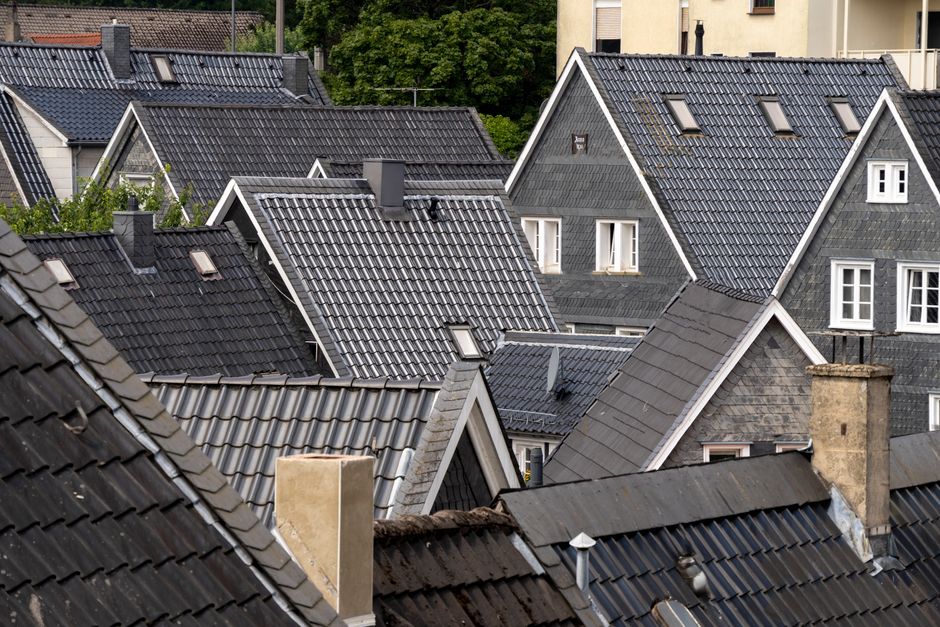
Replacing a roof is a significant investment for any homeowner. The costs associated with roof replacement can vary widely based on various factors, including the type of materials used, the size of the roof, and the complexity of the installation. In this article, we will explore the different aspects that contribute to the overall roof replacement cost and provide insights to help you make informed decisions.
Factors Influencing Roof Replacement Costs
When considering a roof replacement, it is essential to understand the various factors that can affect the total cost. One of the primary factors is the type of roofing material chosen. Asphalt shingles are typically the most affordable option, while materials like slate or metal can significantly increase costs. Additionally, the overall size of your roof will directly impact the amount of material needed, thus affecting labor and material costs.
Another critical factor is the roof’s pitch. Steeper roofs can be more challenging and dangerous to work on, leading to higher labor costs. Finally, the condition of the existing roof may also play a role; if the old roof needs to be removed or if structural repairs are necessary, this will add to the overall expense.
Average Costs of Common Roofing Materials
Understanding the average costs of different roofing materials can help homeowners budget more effectively for a roof replacement. For instance, asphalt shingles typically range from $90 to $100 per square (100 square feet), making them an economical choice. On the other hand, metal roofing can cost anywhere from $100 to $300 per square, depending on the type of metal and its finish.
Tile roofs, which offer durability and aesthetic appeal, can range from $300 to $700 per square. For those considering a high-end look, slate tiles can go as high as $600 to $1,500 per square. Homeowners should weigh the long-term benefits and lifespan of these materials against their upfront costs to make the best decision.
Additional Costs to Consider
In addition to the material costs, there are several other expenses associated with roof replacement that homeowners should factor into their budget. These can include labor costs, which can vary based on location and the complexity of the job, as well as permits and inspections required by local authorities. Some homeowners may also choose to invest in additional features, such as ventilation systems or energy-efficient options, which can further increase the overall cost.
Furthermore, if your roof has unique features such as skylights or chimneys, these will require extra labor and materials to work around, potentially raising the roof replacement cost even further.
Financing Options for Roof Replacement
Given the significant expense of a roof replacement, many homeowners explore financing options to manage the costs. Several lenders offer home improvement loans that can help cover the expense. Additionally, some roofing companies may provide financing plans or discounts for specific payment methods.
Homeowners should carefully review the terms and interest rates associated with any financing option to ensure it fits within their budget. It’s also wise to obtain multiple quotes from different contractors to find the best deal without sacrificing quality.
Conclusion: Making Informed Decisions
Replacing a roof is a substantial investment, and understanding the various factors that contribute to the total roof replacement cost is crucial for any homeowner. By considering the type of materials, the size of the roof, and any additional features, homeowners can make informed decisions that align with their budget and long-term goals.
As you navigate the process of roof replacement, remember to obtain multiple quotes and consider financing options to ease the financial burden. With careful planning and research, you can ensure that your new roof will provide protection and enhance the value of your home for years to come.
About the Author